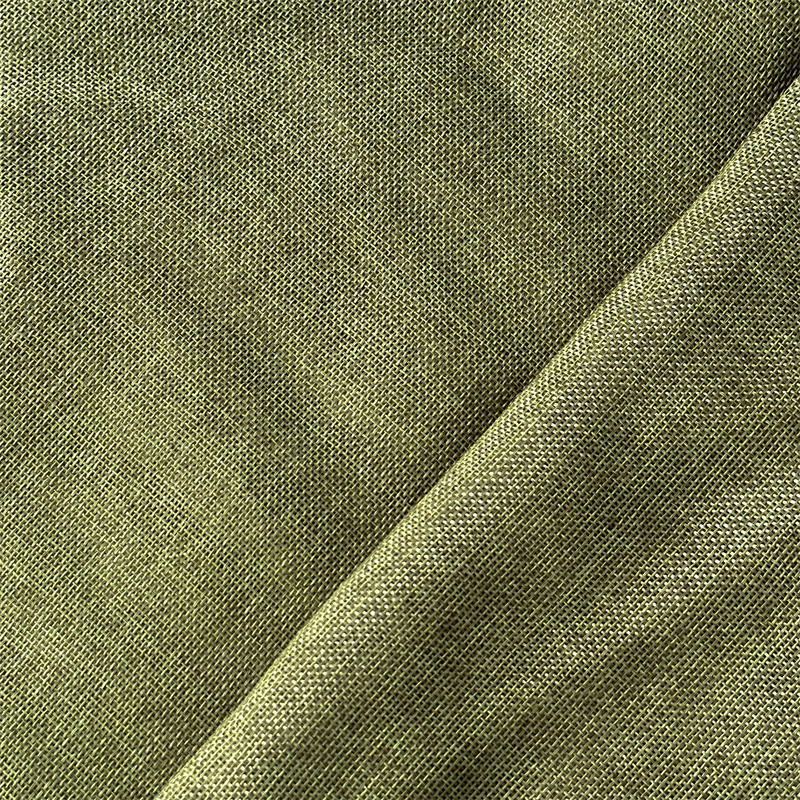


Why Upholstery Fabric Selection Matters
Upholstery fabric determines far more than the look of a sofa, chair, or ottoman. It affects how the piece feels to sit on, how well it withstands daily wear, how easily stains and spills can be cleaned, and how long the furniture will look presentable before fading, pilling, or fraying becomes noticeable. Choosing fabric purely based on color or pattern without considering durability and maintenance requirements often leads to disappointment within a year or two, especially in households with children, pets, or heavy daily use.
Because reupholstering or replacing furniture is a significant investment of both time and money, taking the time upfront to understand fabric performance characteristics can save considerable expense and frustration down the line.
Understanding Durability Ratings and Double Rub Counts
Upholstery fabric durability is most commonly measured using the Wyzenbeek or Martindale test, which simulates wear by rubbing the fabric back and forth and counting the number of cycles, known as double rubs, the material withstands before showing visible wear. This number, printed on most fabric labels or product descriptions, provides a useful benchmark for comparing how different fabrics will hold up under real world use.
| Double Rub Rating | Durability Level | Recommended Use |
| Under 10,000 | Light duty | Decorative pillows, occasional use chairs |
| 10,000 to 15,000 | Medium duty | Bedroom chairs, guest room furniture |
| 15,000 to 30,000 | Heavy duty | Living room sofas, family use furniture |
| 30,000 and above | Heavy duty commercial grade | High traffic homes, commercial seating |
For most family living rooms, selecting a fabric rated at 15,000 double rubs or higher provides a reasonable balance between durability and fabric variety, while homes with very active households may want to prioritize the higher end of the scale.
Common Upholstery Fabric Fiber Types
Fiber content plays a major role in how upholstery fabric performs over time, influencing everything from softness to stain resistance. The following list outlines the most widely used fiber categories.
- Polyester and microfiber blends offer strong stain resistance, affordability, and easy cleaning, making them popular for family rooms
- Cotton and linen blends provide a natural look and breathable feel but are more prone to wrinkling and staining than synthetic options
- Leather and faux leather resist spills effectively and are easy to wipe clean, though genuine leather requires conditioning to prevent cracking
- Wool blends offer excellent durability and natural stain resistance, often used in higher end or commercial upholstery
- Performance fabrics, often made from solution dyed acrylic or specially treated polyester, are engineered specifically for stain and fade resistance in high use settings
Choosing Fabric by Furniture Use
High Traffic Family Seating
Sofas and sectionals used daily by the whole household benefit most from performance fabrics or tightly woven synthetic blends with high double rub ratings. These fabrics resist crushing, pilling, and staining far better than delicate natural fibers, making them well suited to the realities of everyday family life, including snacks, drinks, and active children.
Formal or Accent Pieces
Accent chairs, formal dining seating, or rarely used living room furniture can accommodate more delicate fabrics such as silk blends, velvet, or linen, since these pieces experience less frequent contact and wear. In these settings, prioritizing visual texture and color over heavy duty durability is generally a reasonable tradeoff.
Homes With Pets and Young Children
Households with pets or young children should prioritize fabrics that resist scratching, shedding hair removal, and staining. Tightly woven performance fabrics, leather, and faux leather tend to perform best in these environments, since they are less likely to snag from claws and are easier to wipe clean after accidents or spills.
Pattern, Texture, and Color Considerations
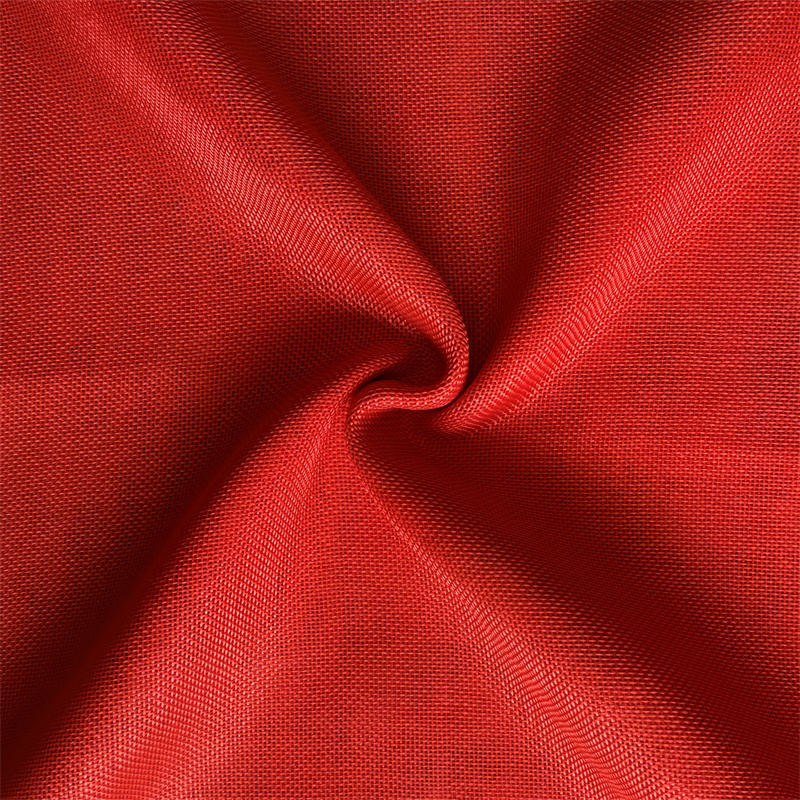
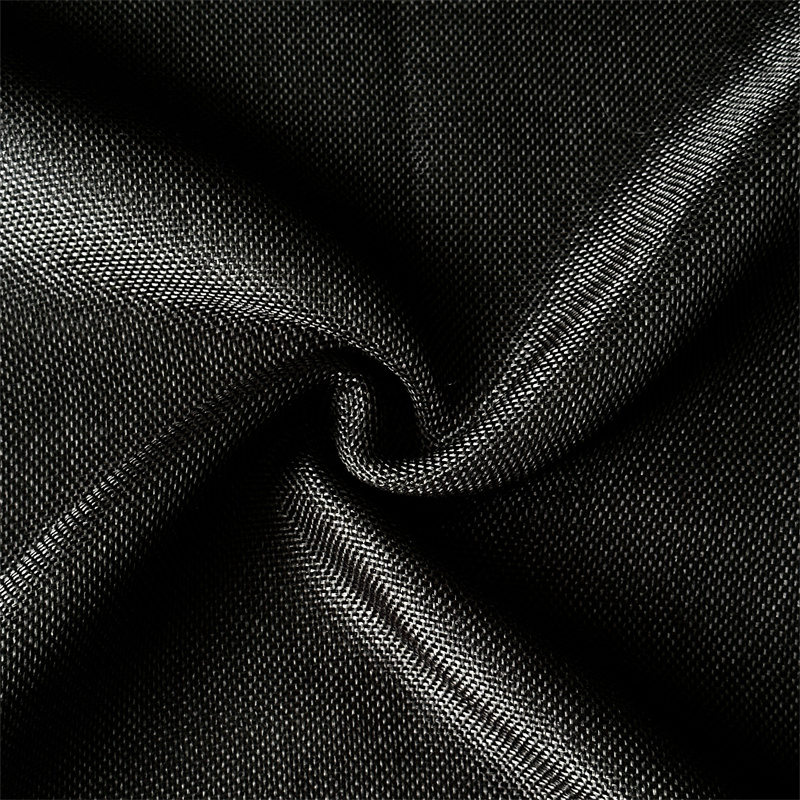
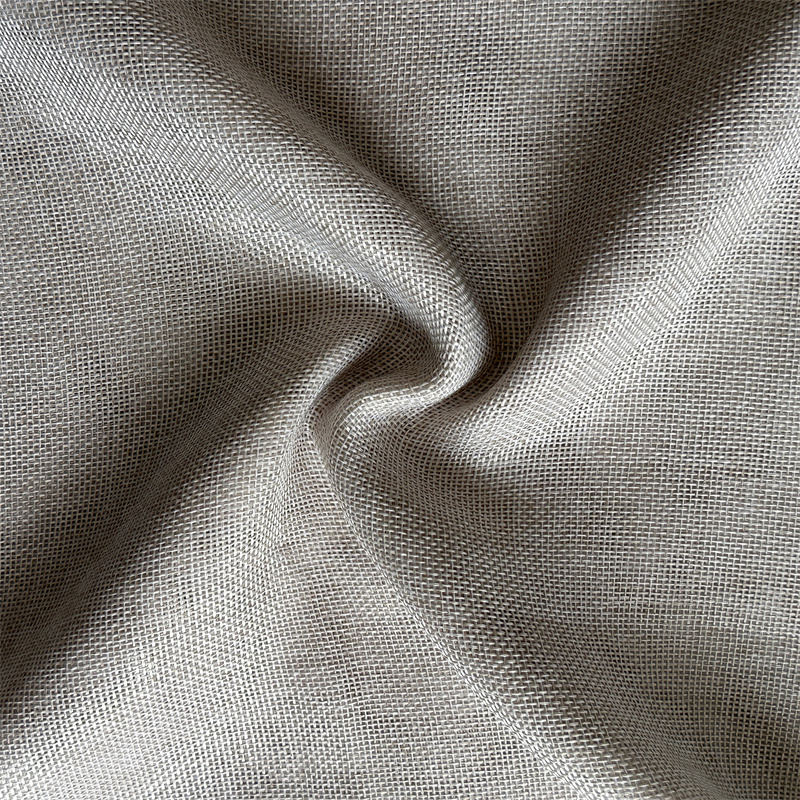
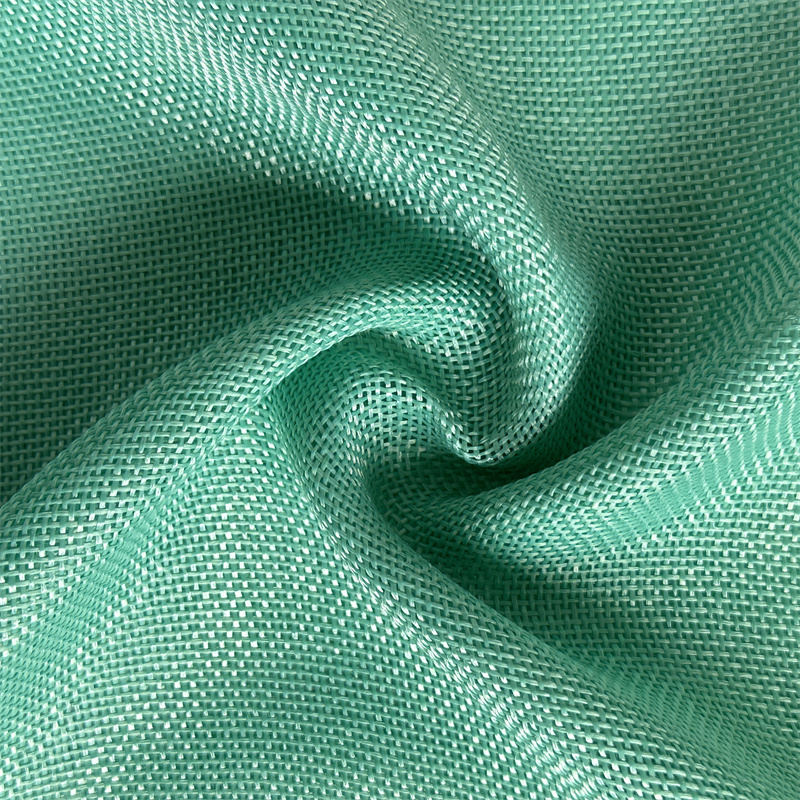
Beyond durability, the visual characteristics of upholstery fabric influence how well it disguises everyday wear and tear. Busy patterns and textured weaves, such as tweed or chenille, are more effective at hiding minor stains, pet hair, and surface wear than solid, smooth fabrics in light colors. Darker colors and mid-tone neutrals also tend to show less visible soiling between cleanings compared to very light or very dark solid shades.
For households prioritizing low maintenance appearance over time, choosing a fabric with subtle texture or a small scale pattern in a medium tone color often provides the best balance between style and practical day to day upkeep.
Cleaning Codes and Maintenance Tips
Most upholstery fabrics include a cleaning code on the manufacturer's tag, typically represented by a letter that indicates the appropriate cleaning method. Understanding these codes helps prevent accidental damage from using the wrong cleaning product.
- Code W indicates the fabric can be cleaned with water based cleaning solutions
- Code S indicates a solvent based cleaner should be used instead of water
- Code WS indicates either water or solvent based cleaners are safe to use
- Code X indicates the fabric should only be vacuumed, since liquid cleaners may cause damage or discoloration
Regular vacuuming, prompt attention to spills, and occasional professional cleaning for higher end fabrics all contribute to extending the lifespan of upholstered furniture. By combining an appropriate durability rating, suitable fiber type, and a practical pattern or color choice, homeowners can select upholstery fabric that holds up beautifully to their specific lifestyle while still reflecting their personal style.